Why Do the Best Managers Leave Their Offices to Solve Problems? Understanding the Gemba Walk Process
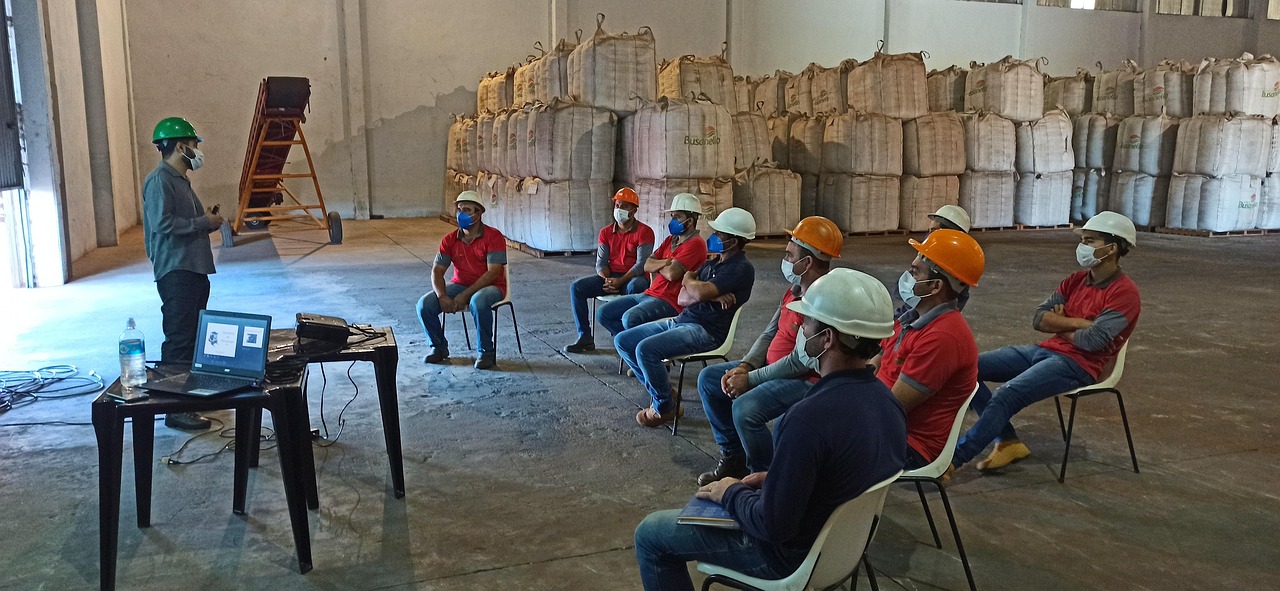
What Is a Gemba Walk?
Imagine a factory where production delays occur every day.
Managers spend hours reviewing reports, analyzing spreadsheets, and attending meetings, yet the delays continue.
One day, instead of discussing the problem in a conference room, the plant manager walks onto the production floor, observes the workflow, speaks with operators, and notices that materials consistently arrive late at one workstation.
Within minutes, the real issue becomes visible.
This simple practice is known as a Gemba Walk.
What Does "Gemba" Mean?
The word Gemba comes from the Japanese term meaning "the real place" or "the actual place."
In manufacturing, Gemba refers to the production floor where products are made.
In healthcare, it may be the hospital ward.
In construction, it is the project site.
In software development, it can be where development teams collaborate.
The underlying principle remains the same:
"Go where the work happens before making decisions about the work."
Why Is the Gemba Walk Important?
Business reports summarize information, but they rarely reveal the complete story.
Many operational problems only become visible through direct observation.
A Gemba Walk allows leaders to:
- Observe actual work instead of assumptions.
- Understand employee challenges.
- Identify hidden inefficiencies.
- Detect waste within processes.
- Verify whether standard procedures are followed.
- Build trust between management and frontline employees.
Rather than managing from a distance, leaders gain firsthand knowledge of daily operations.
The Objectives of a Gemba Walk
- Observe Real Processes
- Identify Waste (Muda)
- Improve Quality
- Increase Productivity
- Enhance Workplace Safety
- Support Continuous Improvement (Kaizen)
- Strengthen Employee Engagement
- Verify Standard Operating Procedures (SOPs)
The Gemba Walk Process
| Step | Purpose |
|---|---|
| 1. Define the Objective | Determine what process or problem will be observed. |
| 2. Visit the Workplace | Go to the actual location where work occurs. |
| 3. Observe Carefully | Watch the process without interrupting unnecessarily. |
| 4. Ask Questions | Engage employees respectfully to understand challenges. |
| 5. Record Observations | Document opportunities for improvement. |
| 6. Analyze Findings | Identify root causes and improvement opportunities. |
| 7. Implement Improvements | Take corrective actions and monitor results. |
What Should Managers Observe During a Gemba Walk?
Effective Gemba Walks focus on observing processes rather than evaluating individuals.
Managers should pay attention to:
- Workflow
- Material Movement
- Equipment Utilization
- Waiting Time
- Safety Practices
- Quality Defects
- Employee Suggestions
- Process Bottlenecks
- Standard Work Compliance
The emphasis should always be on learning rather than judging.
Questions Managers Should Ask During a Gemba Walk
Instead of giving immediate instructions, managers should encourage discussion by asking questions such as:
- What challenges do you experience most often?
- What causes delays in this process?
- What improvements would make your work easier?
- Where do you notice waste?
- Which tasks create the greatest frustration?
- How can management better support your work?
These conversations often reveal valuable insights that formal reports overlook.
Benefits of the Gemba Walk
| Business Challenge | How Gemba Walk Helps |
|---|---|
| Low Productivity | Identifies workflow inefficiencies. |
| Quality Problems | Observes defects where they occur. |
| Safety Risks | Detects unsafe working conditions. |
| Employee Disengagement | Encourages communication and trust. |
| Process Waste | Supports Lean improvement initiatives. |
Common Mistakes During a Gemba Walk
- Treating it as an employee inspection.
- Looking for people to blame.
- Talking more than listening.
- Ignoring employee suggestions.
- Failing to follow up on observations.
- Making assumptions without evidence.
A Real-Life Example
A food processing company experienced frequent packaging delays.
Management initially believed the packaging machines were unreliable.
During a Gemba Walk, however, they observed that operators spent several minutes searching for packaging materials because storage racks were poorly organized.
After reorganizing the workplace using 5S Principles, packaging efficiency improved significantly without purchasing any new equipment.
The true problem was not the machines—it was the workflow.
The Engineering Perspective
Engineers solve problems by collecting accurate data from real operating conditions rather than relying solely on theoretical assumptions.
The Gemba Walk follows the same philosophy.
Direct observation provides valuable operational data that cannot always be captured through reports or performance dashboards.
This makes improvement efforts more effective and evidence-based.
The Philosophy Behind Gemba Walks
Good leaders do not manage processes from behind closed doors.
They remain connected to the people who create value every day.
Respecting employees means taking the time to understand their work, listen to their experiences, and remove the obstacles that prevent them from succeeding.
Continuous improvement begins with genuine curiosity about how work is actually performed.
Conclusion
The Gemba Walk Process is one of the most practical leadership tools in Lean Management. By visiting the actual workplace, observing processes, engaging employees, and identifying improvement opportunities, organizations can reduce waste, improve quality, strengthen safety, and build a culture of continuous improvement. Whether in manufacturing, healthcare, construction, logistics, or service industries, Gemba Walks help leaders replace assumptions with firsthand knowledge, making better decisions that benefit both employees and the organization as a whole.


0 Comments